The full report
Agents as a production crew
The clearest pattern today is people giving coding agents whole departments. One solo developer runs up to ten Opus 5.5 sessions, each in its own git worktree, with a lead session that merges work and decides when there is something to play. Another connected Claude to Blender, Unreal and Meshy through MCP and says it built a full environment in fewer than ten passes. A three.js space shooter that began as a course project shipped with a trailer cut by Claude Code, and the developer describes changing the rules after every round like a kid inventing a game.
The 3D work is getting more specialised. Claude Code took one Tripo pistol mesh apart into 15 parts and rigged it for reloads, a modelling beginner built a dancing Halloween avatar with Charakuru, Tripo, Blender and SAM3D, and a strategy game swapped its old Tripo war machines for new Hunyuan3D ones with a side-by-side to prove it. Not every result is finished: one zombie-game soldier went from a flat box to padded straps over a day of passes.
Design taste, packaged and measured
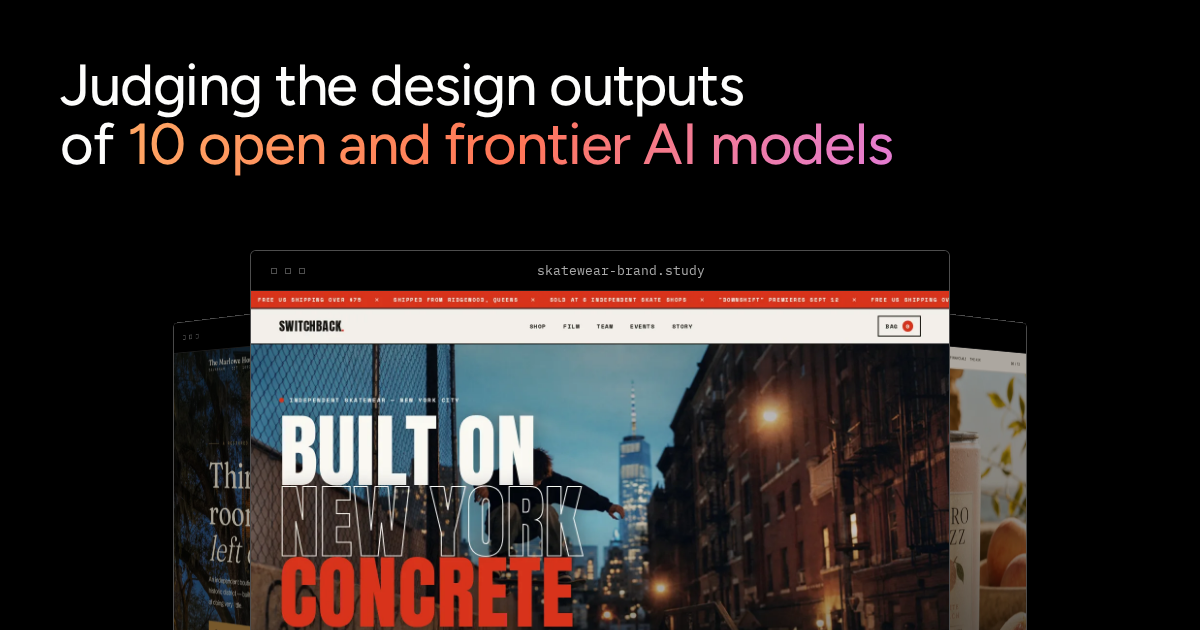
The UI posts were about avoiding the AI look. A free gallery of 70+ Claude-built hero sections was one of the most-bookmarked posts, and the unslop-ui skill claims to take a landing page from 31 AI tells to zero. A public study had 10 models design for the same 10 briefs and collected 4,500 human votes; on one brief Qwen 3.8 won 67.2% of its matchups while GLM 5.3 won 23.9%.
Cost is now part of the conversation. One builder ran the same pixel-art scene through GPT-6.1 Terra and Opus 5.5 and paid $2.98 versus $16.67, preferring Opus's lighting but praising Terra for the price. Another rocket animation cost about 21 or 22 cents either way, with the maker careful to say it was not a controlled test.
Video: recipes, hardware and honest teasers
The best video recipe of the day uses no video model at all: 90 paintings from GPT Image, a mask in OpenCV and a Suno track cut to the beat. Elsewhere, local video keeps spreading to cheaper hardware, with an 8-second MiniMax H3 shot in about 8 minutes on an AMD card and a guide taking an RTX 3090 render from 23 minutes to under 8. On r/StableDiffusion, one maker shared a full anime-fight pipeline on a rented 4090 with Krea 2 Turbo keyframes and Claude Code steering the loop.
Some of the most-liked video posts were promotions or teasers. The Kling 4.0 ad on Magnific points to a Telegram group for the method, and the Lovart brand-identity demo carries a referral link. They are included because they show what people are making, and labelled so you can weigh them.
Image, sound and mashups
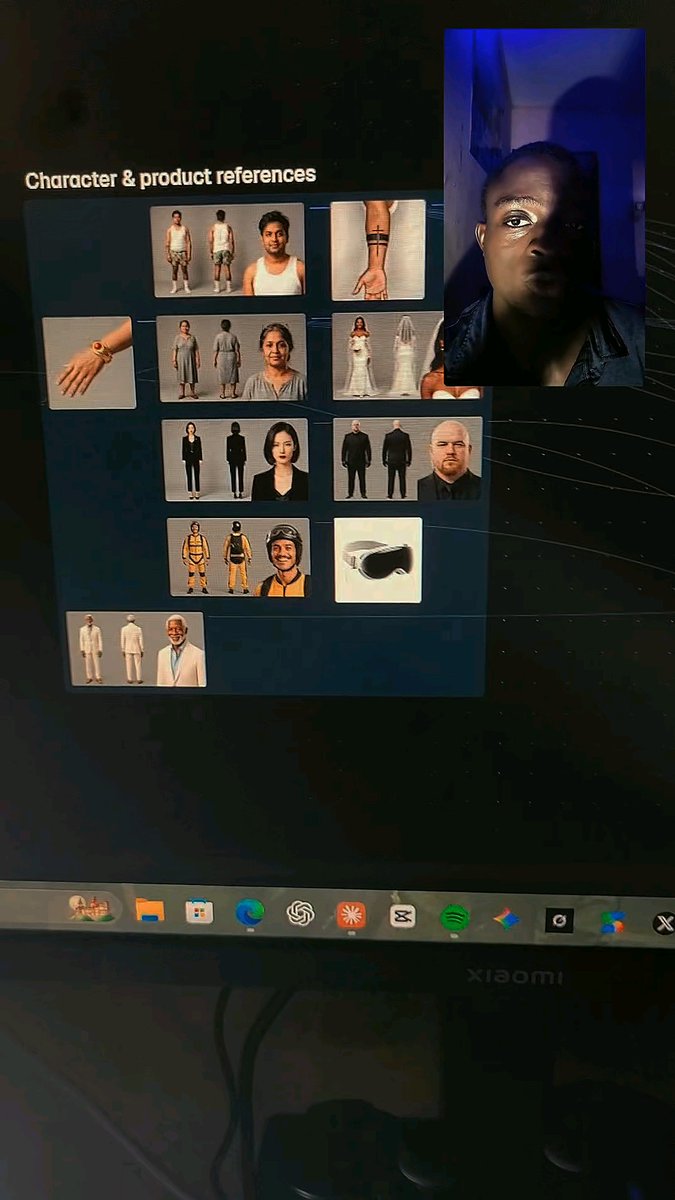
Image makers focused on control. One ad maker got readable movie posters on set walls by planning them as blank white boards first, then generating each poster and feeding it back as a reference. Community tools let you paint where each prompt applies, and testers posted XY grids on when to inject style. A MOSS-Image fan explained why layout-to-image won them over.
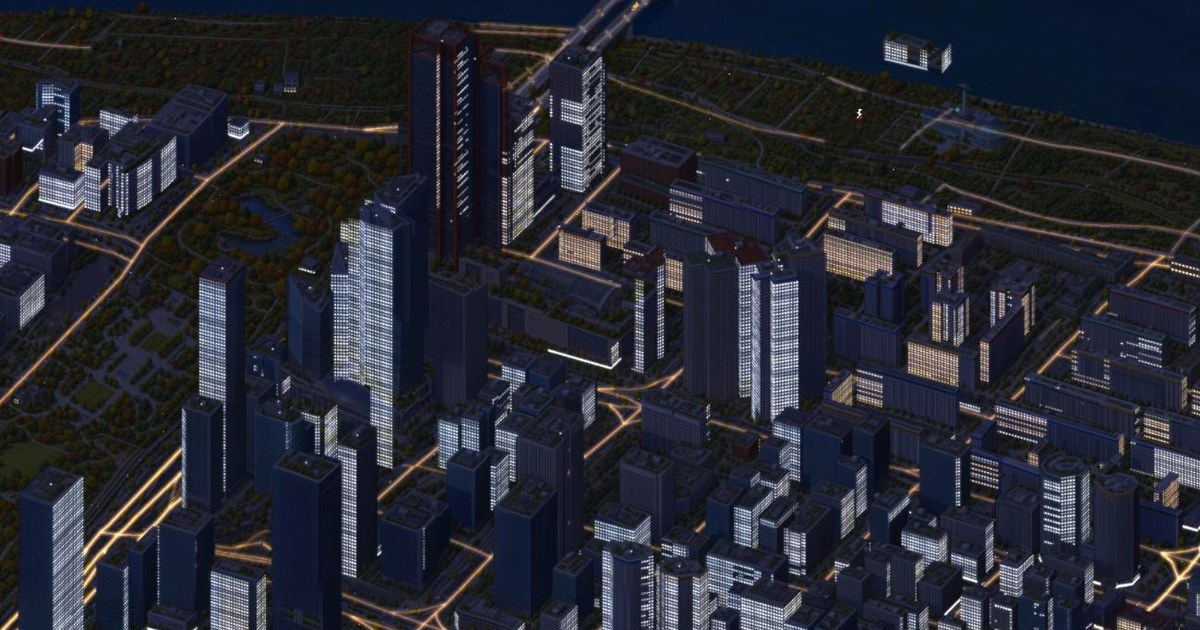
In sound, one maker fixed an AI character's Swahili accent by having a Kenyan voice read the line and converting it with ElevenLabs. Music videos listed full stacks, from Suno and Nano Banana Pro to Wan 3.0 lip sync and Blender previz. The mashups ranged from Openjutsu, a free character-swap app mostly built with Claude on top of ComfyUI, to HypeSeoul, an AI-painted isometric Seoul whose subway trains follow live data.
What to watch next
Two things to watch: whether multi-agent setups like the ten-session game hold up as projects grow, and whether skills that strip the AI look become a normal part of UI work. Tell us which topics to chase next: a medium, a tool, or one of these stories, and the next edition will steer there.











 Great Creation Studios